Showing posts with label survivors. Show all posts

Saturday, August 23, 2014

Control Circles


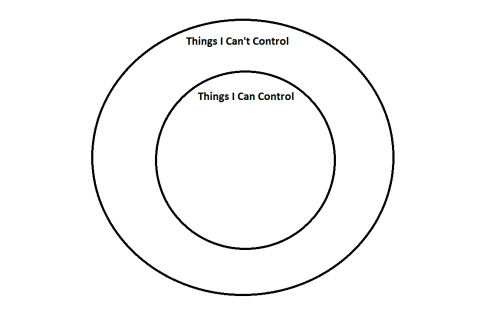
Control is something that comes up often during my sessions. Survivors have had their power taken away from them in the worst ways, and regaining control in their life can be difficult. It's even harder for teenagers, who already have little control in their lives as it is. When clients tell me how they are feeling overwhelmed due to feeling like they have little control in their lives, I have the create "Control Circles".

On a sheet of paper I have the client draw a small circle, and a bigger circle around it. In the center circle, I have them write all the things they can control (sometimes they may need help this section; if they are having difficulty, ask them if they can control what they eat, what they wear, how they handle their feelings, how they treat others, etc.). On the outside circle, I have them write things that they can't control in their lives (try to gently direct them to keep it more on an individual level of things that affect them, otherwise they may have a pretty big list of things that may not actually be currently affecting them, such as war).

Most of the time people will list more things they can control than they can't. In this case, this activity is a great tool to help them keep things in perspective. Remind them that although they may feel overwhelmed by the things they can't control, they still have more power in their life than they realize. If a person lists more things out of their control than in their control, use it as an opportunity to assist them in exploring what they could do or change to help them feel more in control (i.e. setting boundaries, time management, cooking, etc.).
I have found this to be useful for working with both teens and adults. Idea inspired from The Creative Counselor

Saturday, June 7, 2014

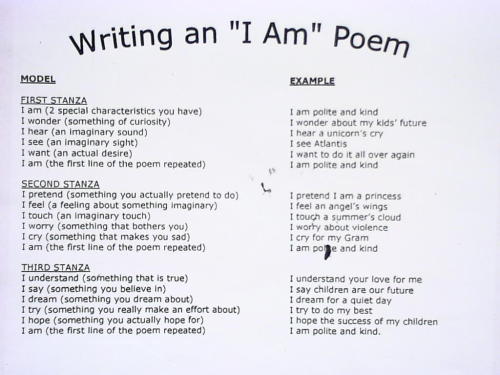
I Am Poem


I am a big advocate for the use of poetry therapy, and have found it to be a very useful tool for counseling. This particular poetic technique is called an "I Am" poem. The poem is a fill-in-the-blank exercise, which is great for clients who don't feel confident to write a free write a poem of their own.

I have had many clients question their identity. They feel like their abuser or perpetrator has taken away their true self, and they are left feeling broken. Oftentimes survivors of sexual violence will say how they feel like they died during the sexual trauma, and they just wish they could go back to "normal".

This poem is a simple and effective tool to help clients really think about who they are. Many of my clients have learned something new about themselves when filling in the blanks, and it left them feeling excited!

Image used from here

Monday, May 19, 2014

Survivor's Strength

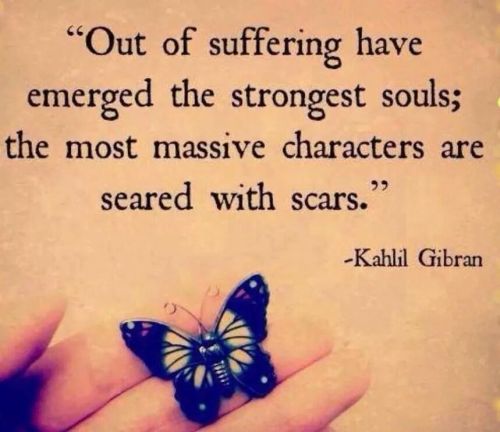
Many of my clients tell me they feel weak. They feel like a failure. They feel broken; like damaged goods. I am incredibly sincere when I tell them that survivors are some of the STRONGEST people I know. Survivors have gone through some of the most terrible, unimaginable violations to their souls and bodies, yet they get up in the morning and try to put the pieces back together. I tell them that the fact that they are coming into my office, willing to discuss the horrors they've been through, show incredibly strength and resilience. There is life after trauma!

Monday, May 12, 2014

Emotions Worksheet


When working with survivors of sexual or domestic violence, especially teenagers, they can be very slow to open up. Many survivors are understandably weary about trusting people. When working with survivors of sexual violence, many of them will say they do not like to think about or talk about what has happened to them. This leaves many counselors wondering how they can approach the subject.

I tell all my clients that they do not have to tell me any details they don’t feel comfortable. It’s not about process the event(s), it’s about processing their feelings around what happened. As soon as I say this, many of my clients begin to visibly relax.

So how can you get the conversation about their feelings started? I use this worksheet that lists many different feelings, and have them circle which ones apply to them. I then discuss each emotion they have circled and how it is affecting their life. This has been especially useful with teenagers!